Wireless tilt, strain, acceleration and displacement sensors that watch bridges, tunnels, mines and rail infrastructure around the clock — and call out the moment something shifts.
Subtle shifts in a structure show up in the readings long before they're visible to the eye — or hazardous to the people working on it.
Trend lines reveal settlement, rotation or fatigue weeks or months before it becomes a structural concern.
Battery-powered, wireless units skip the cable runs and mains power most monitoring projects get stuck on.
Every reading lands in your cloud platform over MQTT, so checking a remote bridge or mine doesn't take a site visit.
Every SHM instrument runs the same low-power loop, whether it's reading tilt, strain or vibration.
A temperature-compensated sensor takes a reading on a fixed interval, or the instant a threshold is crossed.
Between readings the unit drops to microamp standby — the reason one battery lasts years, not weeks.
Each reading goes out over LoRa, NB-IoT, LTE-M or LTE-4G to the MQTT broker or FTP server you choose.
Dashboards and alerts surface the trend, so action happens before it becomes a repair.
Every device publishes over MQTT, so the data lands directly in ThingsBoard or any other compatible platform — no proprietary app required.
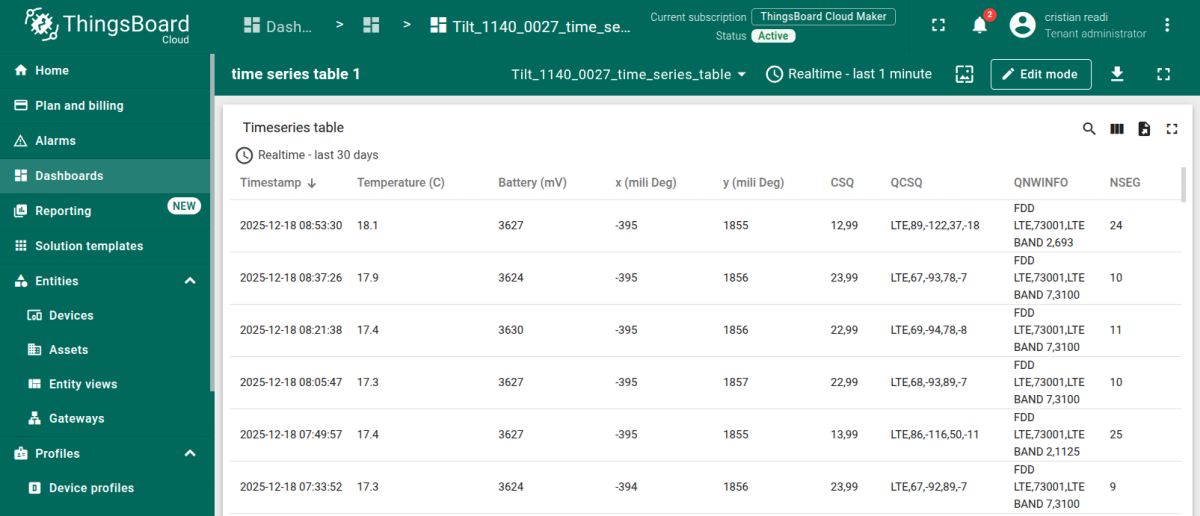
Each instrument shares the same low-power radio core — pick the sensing principle your structure needs.
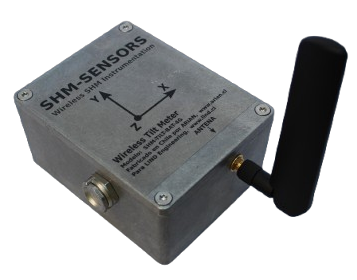
Two-axis MEMS inclination sensor for early detection of rotation in bridges, towers and retaining structures.
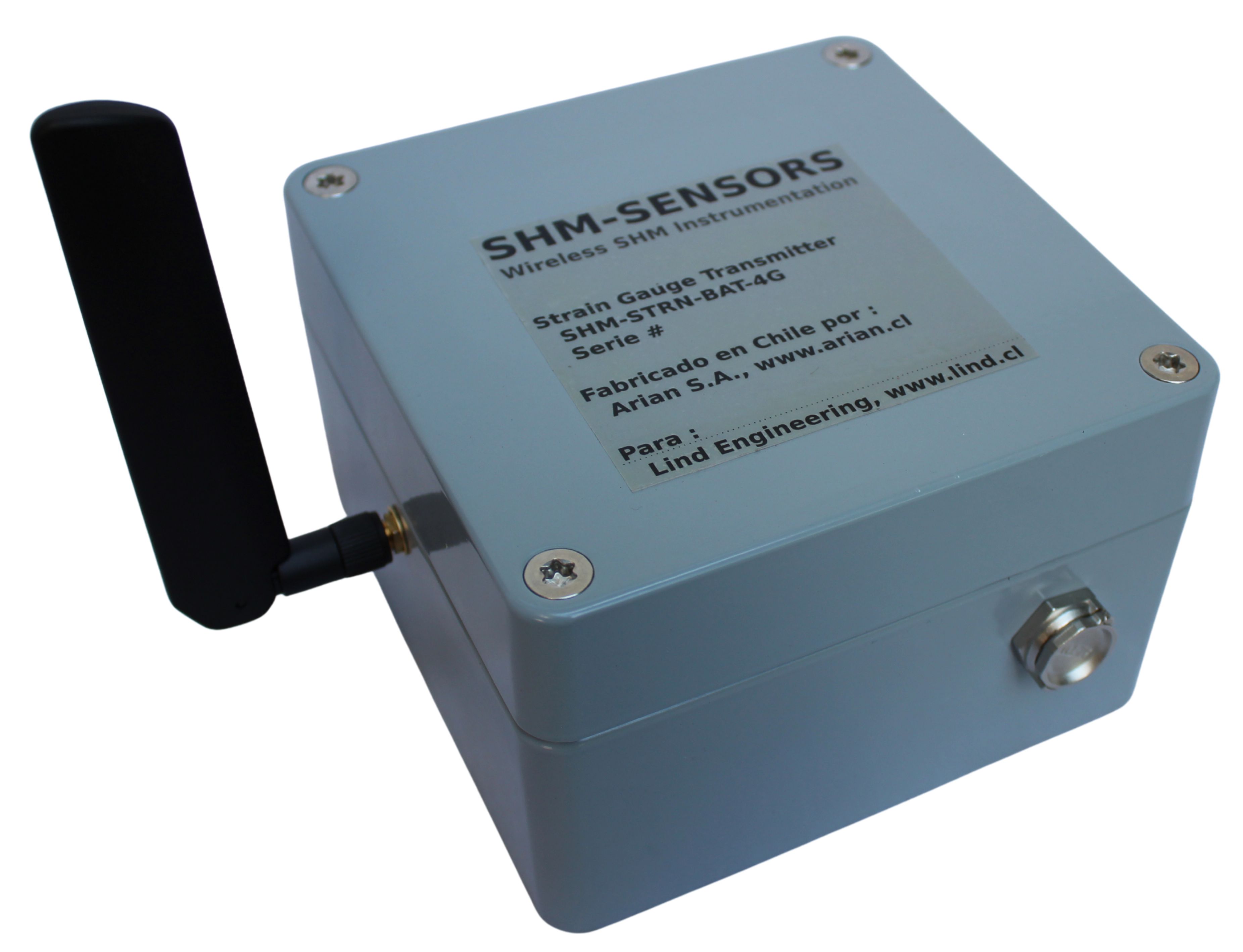
12-channel wireless logger for strain gauges and RTDs, built for long-term static load monitoring.
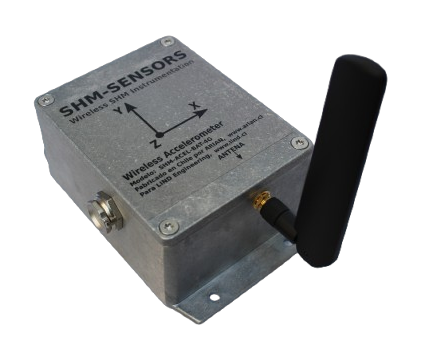
Three-axis vibration sensor that wakes on a threshold event or a fixed interval, reporting raw data or on-board FFT.

Non-contact microwave radar for displacement monitoring, suited to targets that are difficult or unsafe to instrument directly.
From bridge decks to open-pit slopes to remote mountain crossings — and cranes and industrial structures besides.
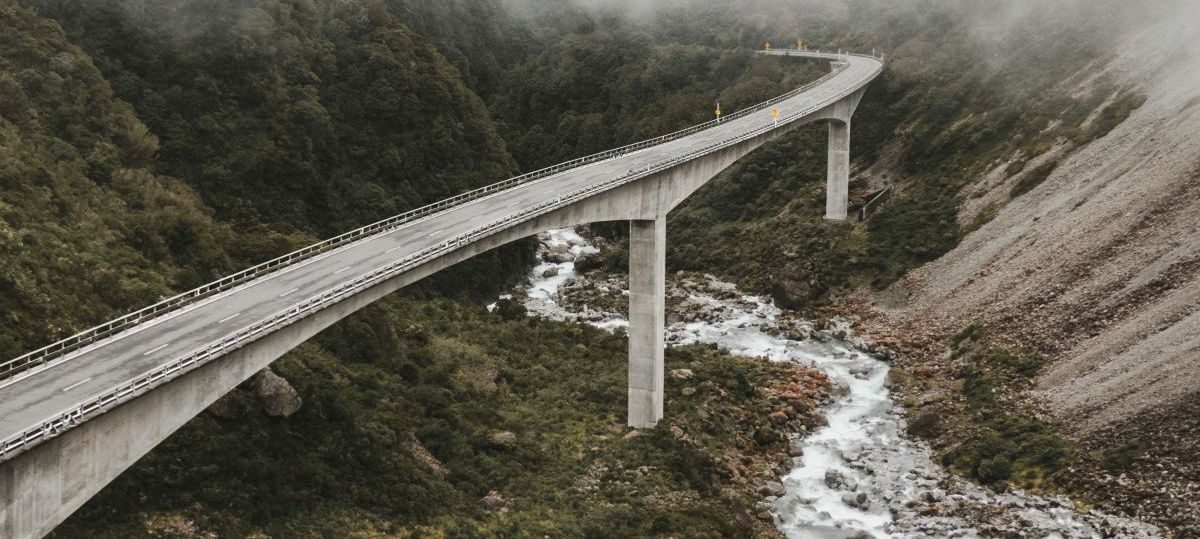
Deck, pier and joint movement over time.
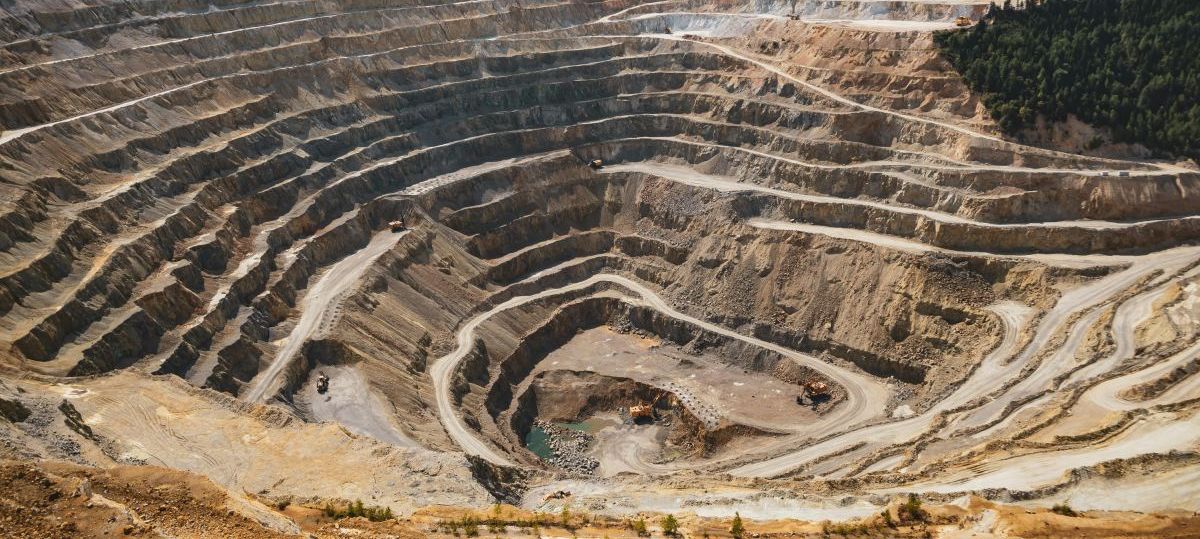
Convergence, lining shift and slope movement.
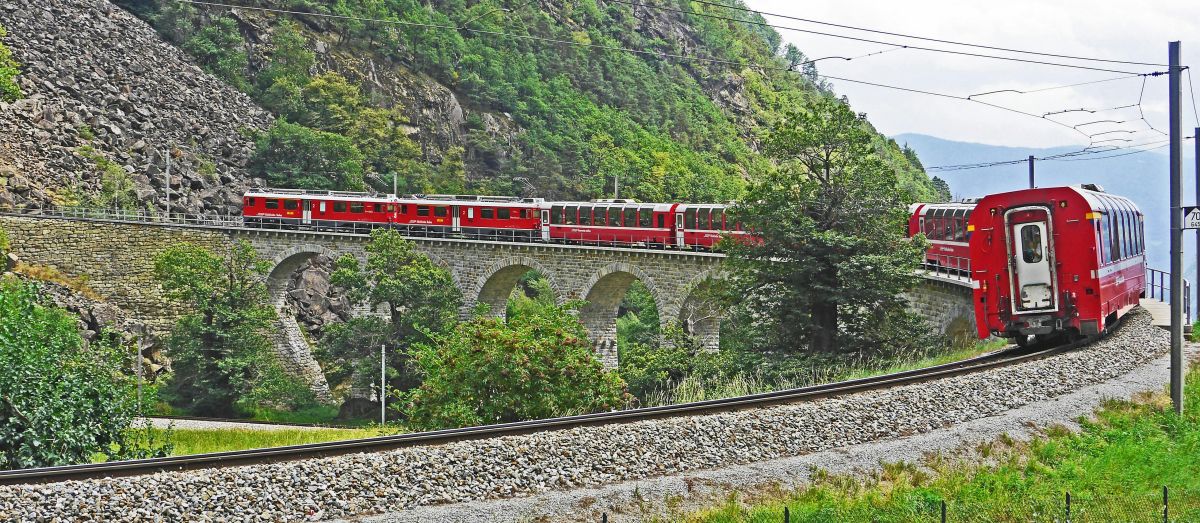
Mountain crossings and at-grade structures far from a depot.